
Gear and safety equipment reviews
overlanding adventures
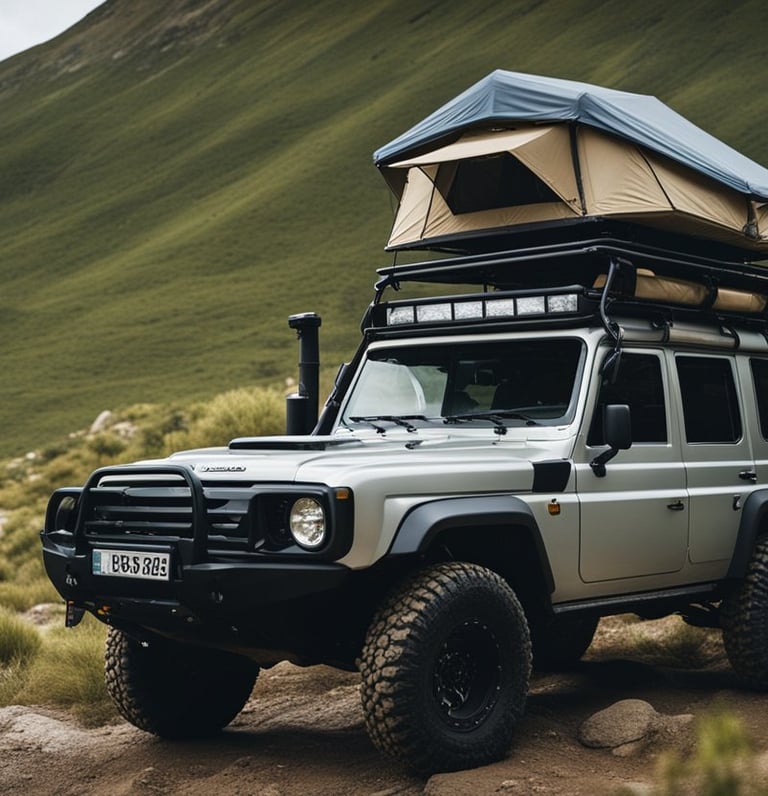
The future of overlanding
You didn’t come this far to stop


Whats the future hold?
The Future of Vehicle Overlanding in the USA
Overlanding—self-reliant travel to remote destinations via off-road vehicles—has shifted from niche enthusiast culture to a mainstream way for Americans to explore. Fueled by adventure lifestyle media, advancements in rugged vehicle design, and a growing desire for experiential travel, overlanding blends camping, outdoor recreation, and—and increasingly—technology.
As we head deeper into the 2020s and beyond, several trends are reshaping what overlanding looks like in the United States.
As people search for other ways to get away from their busy lives. overland may offer a great affordable way to escape for a weekend or maybe a week or longer
1. Technology Will Transform the Overlanding Experience
Vehicle tech is evolving fast. Off-road navigation systems, satellite communication tools (like Starlink/Mobile satellite options), and smart recovery gear give overlanders more confidence to push farther into wilderness. Future vehicles will come equipped with integrated traction control, terrain-specific drive modes, and advanced diagnostics—reducing mechanical surprises and improving safety.
Digital maps with real-time trail conditions, AI route suggestions based on weather and vehicle load, and coordinated convoy features (for groups) are on the horizon. Data connectivity—even in remote zones—is improving fast, reducing the sense of “complete disconnect” while still preserving the wild experience.
2. Electrification Is Coming, But Not Overnight
Electric vehicles (EVs) in overlanding hasn’t hit mass adoption yet, but the direction is clear. Battery tech is improving, fast charging networks are expanding, and EV off-roaders like the Rivian R1T and Ford F-150 Lightning are paving the way. The key challenges remain:
Range and power draw in rugged terrain
Recharging access in remote areas
Weight of batteries vs payload and gear
Solutions are emerging: portable fast chargers, solar trailer systems, and swap-able battery packs could bridge the gap. Within 10–15 years, a meaningful share of overlanders may run hybrid or electric rigs tailored for adventure.
3. Climate Change and Land Use Policy Will Shape Access
Wildfire risk, droughts, and environmental restoration policies are increasingly part of off-road planning. Public land managers (BLM, Forest Service) are under pressure to balance recreation with conservation. This means:
More seasonal trail closures
Stricter permit systems
Greater enforcement of sustainable practices
Savvy overlanders will increasingly use regenerative camping methods, adhere to strict leave-no-trace standards, and engage with land managers to protect access.
4. Community and Culture Will Diversify
Overlanding once centered on a tight community of motorheads and hardcore outdoorsmen. Now you see families, solo travelers, women-led groups, and digital nomads exploring by vehicle. Social platforms extend reach, and virtual meetups, workshops, and overland education programs make the barrier to entry lower—yet better informed.
Expect more training for:
Navigation and survival basics
Vehicle maintenance and recovery
Environmental stewardship
The future culture is less about image and more about capability, responsibility, and inclusivity.
5. Gear and Aftermarket Innovation Will Continue to Boom
From rooftop tents to portable water filtration and rugged refrigeration, the market for overlanding gear is thriving. Future trends include:
Lighter high-efficiency solar systems
Modular gear that swaps between rigs
Smart cargo and weight-management systems
Integrated vehicle energy ecosystems
Brands will increasingly cater to modular systems that adapt to both short weekend trips and extended multi-week journeys—while keeping the rig nimble off-road.
Truck Camping Off-Road: Top 10 Pros and Cons
Whether you’re already hooked or considering your first overland build, understanding the core advantages and drawbacks of truck camping off-road is crucial for planning, budgeting, and managing expectations.
Pros
1. Ultimate Freedom and Flexibility
Truck camping lets you go where you choose—with less reliance on formal campsites or reservations. You pick routes, stop when you want, and sleep nearly anywhere legal.
2. Self-Sufficiency
With the right setup (water, power, food, shelter), you can support yourself off-grid for days or weeks at a time. That’s independence most traditional camping styles can’t match.
3. Comfort in Remote Places
Modern truck campers combine rugged capability with cozy features: insulated beds, kitchen setups, power stations, and weather protection—making wilderness travel less of a discomfort test.
4. Gear Integration
Everything you need travels with you: recovery gear, tools, storage systems, and adventure toys (bikes, kayaks, dirt bikes). You aren’t relying on shuttle services or rentals once at your destination.
5. Community and Shared Knowledge
The overlanding community shares routes, tips, and troubleshooting. New gear reviews, trail reports, and meetup events create a support network that accelerates learning.
6. Strong Resale Value for Quality Builds
Well-executed overland setups with reputable equipment often retain value. Good suspensions, power systems, and accessories appeal to used buyers.
7. Safety and Preparedness
A truck camper offers shelter from weather and wildlife, plus storage for medical kits, tools, and recovery gear—important for true backcountry travel.
8. Customization Choices
From lightweight to fully maxed builds, you tailor your rig to your goals: minimal for endurance routes or deluxe for comfort-focused journeys.
9. Encourages Skill Growth
Overlanding pushes you to learn navigation, mechanical repairs, environmental awareness, and even basic first aid—skills that build confidence on and off the trail.
10. Family and Multi-Generational Trip Potential
Truck camping can accommodate kids and older adults, making shared adventure possible across ages.
Cons
1. High Initial Cost
Outfitting a capable overland rig isn’t cheap. Suspension upgrades, power systems, rooftop tents, recovery gear, and accessories add up quickly.
2. Weight and Fuel Penalty
Added gear means increased weight—slower performance, more fuel consumption, and higher wear on tires and brakes.
3. Complex Logistics in Remote Areas
Planning water resupply, fuel ranges, emergency comms, and trail conditions can be time-intensive, especially in truly remote regions.
4. Environmental Impact Risks
Without responsible practices, off-road travel can harm sensitive landscapes. Misuse leads to closures and stricter regulations.
5. Maintenance Overhead
Vehicles exposed to rough terrain need frequent upkeep. Suspension, wheel bearings, electrical systems, and recovery gear require ongoing attention.
6. Limited Charging/Fueling in Backcountry
Gas stations and EV charging are sparse in many adventure corridors. Planning is essential—fail to plan and you could be stuck.
7. Weather Vulnerability
Bad weather (mud, heavy snow, flash floods) can quickly turn a fun trip into a challenge. Not all rigs and gear handle all conditions equally.
8. Legal and Access Challenges
Permission and permit systems vary by location. New federal and state rules could restrict access to certain trails or areas, especially in wildfire zones.
9. Safety Risks with Minimal Help Nearby
In remote zones, cell service is patchy. Breakdowns, injuries, and navigation errors carry greater risk without quick help.
10. Space Limits and Comfort Tradeoffs
Even with a well-equipped camper, space is finite. Long trips require careful organization and compromise on comfort.
Conclusion: A Future of Responsible, Tech-Driven Adventure
Overlanding in the USA is on the cusp of broader transformation. Advances in technology—paired with environmental consciousness and changing travel values—mean more people than ever will seek out remote roads and off-grid camping. If you’re drawn to the lifestyle, success comes down to preparation: understanding your gear, respecting the land, and planning for the realities of remote travel.
That balance—between capability and responsibility—is where the future of overlanding thrives.
If you want help building a gear list, planning routes, or choosing the right vehicle setup, just ask!